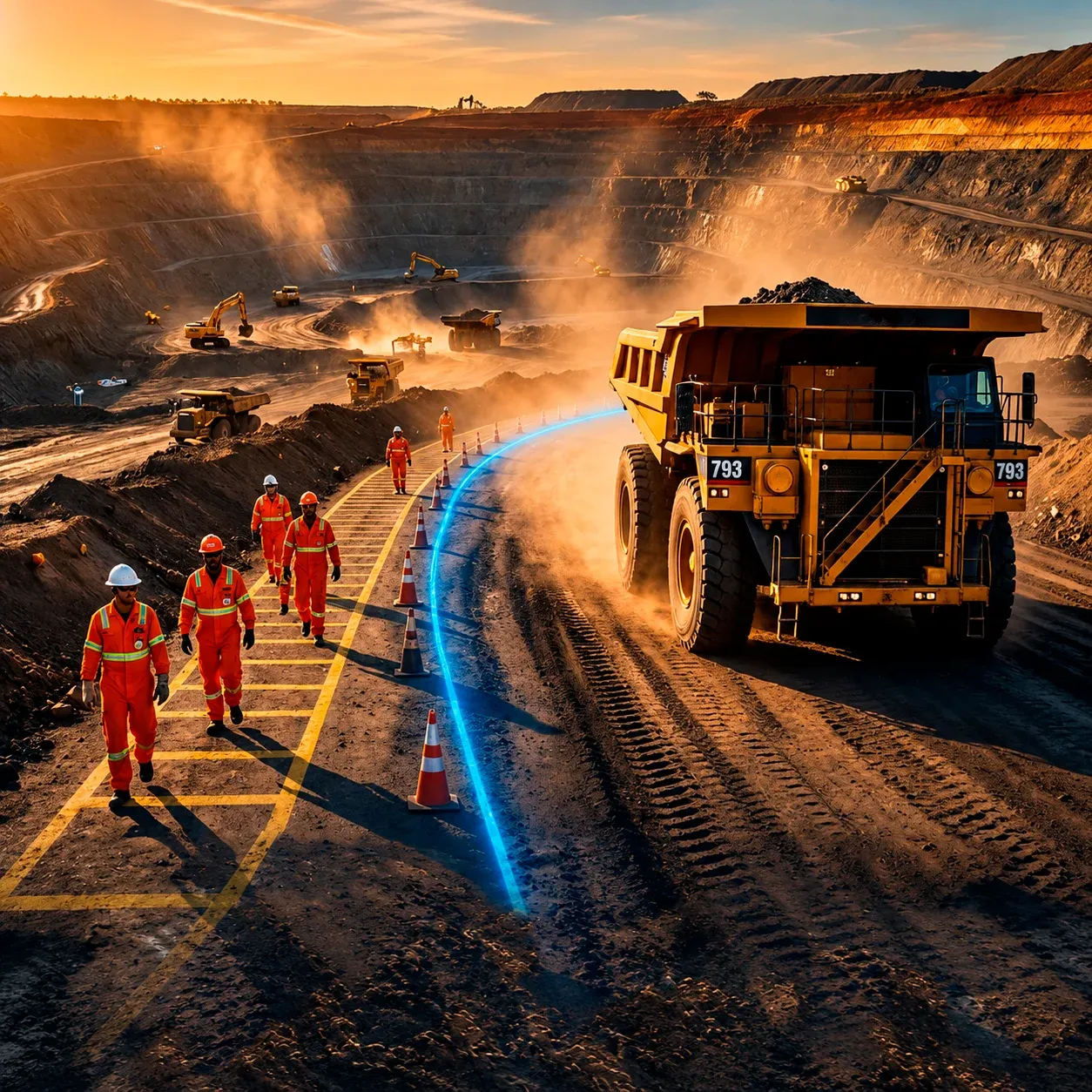
The Definitive Guide: How to Bring Your Fleet into Compliance with Vale Standard Telematics
Everything your carrier or service company needs to know to get trucks, trailers and heavy equipment approved under the strict HSE checklists of Brazil's largest mining companies.
What Is the Vale Standard for Telematics and Safety?
The Vale Standard Telematics refers to the set of Health, Safety and Environment (HSE) technical standards established by the mining company Vale and adopted by major Brazilian steel groups. Its goal is to bar access to vehicles that lack active accident prevention and risk monitoring systems in operational areas.
Operating inside complexes such as Carajás, Brucutu or road-rail corridors requires every cargo truck, charter bus or piece of infrastructure equipment to undergo on-site audits. Technical checklist failures result in denied entry and heavy contractual penalties.
Mandatory Equipment for Fleet Approval
See the three hardware and video telematics pillars required at mine entry inspections.
DMS Cameras (Fatigue and Distraction Sensor)
Cab-facing AI cameras that monitor the driver's eyes and facial expressions. They detect prolonged blinking, repeated yawning, cell phone use while driving and smoking, sounding emergency audible alerts in the cab.
ADAS Systems (Collision Prevention)
Road-facing driver assistance sensor. Monitors the risk of collision with the vehicle ahead, unintended lane departure and safe following distance at speeds above 40 km/h.
RFID Driver Identification
Proximity badge reader connected to the ignition. Ensure that only qualified drivers with up-to-date mine training and a valid driver's license can start fleet vehicles.
Why Don't Off-the-Shelf Solutions Work in Mining?
Many commercial risk management companies offer basic GPS trackers designed for urban logistics. However, the mining environment requires ruggedized equipment with IP67/IP69K sealing to withstand iron ore dust, mud and constant high vibration.
Beyond physical durability, standard GPS trackers lack the onboard processing power (edge computing) to run fatigue AI or manage dynamic speed geofences for each curve (route map). Telensat provides a ruggedized platform backed by a dedicated 24/7 Control Tower.
Mining Requirements vs. the Telensat Solution
| Mining Requirement | Standard GPS Trackers | Telensat Vale Standard Solution |
|---|---|---|
| Predictive Fatigue and Drowsiness Detection (DMS) | No camera, or basic recording only with no smart alerts | Real-time DMS AI with in-cab audible alerts and cloud video clips |
| Dynamic Speed Control by Road Segment (Route Map) | Generic fixed alert based on the road's maximum speed | Dynamic geofencing by curve, mine yard and railway segment |
| Mandatory RFID Driver Identification | Manual identification via app, or no ignition lockout | RFID/iButton badge reader with automatic starter cut-off relay |
| Ruggedized Equipment for Mining | Lightweight plastic trackers that break down from vibration and dust | Industrial-grade hardware with IP67/IP69K dust and water protection |
| 24/7 Control Tower and Rapid Response | Support only during business hours (Mon–Fri) | Dedicated emergency center 24 hours a day, 365 days a year |
Valeteck Safety Accessories

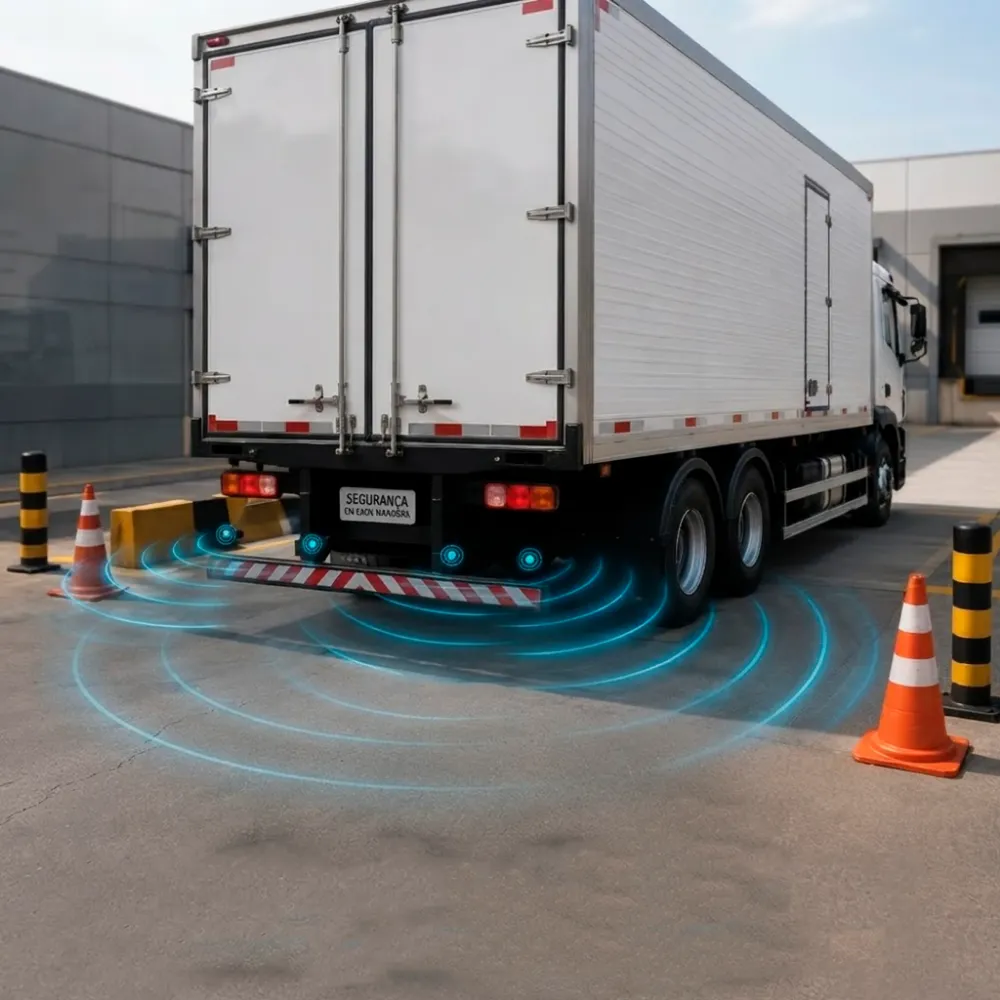
Parking Sensor
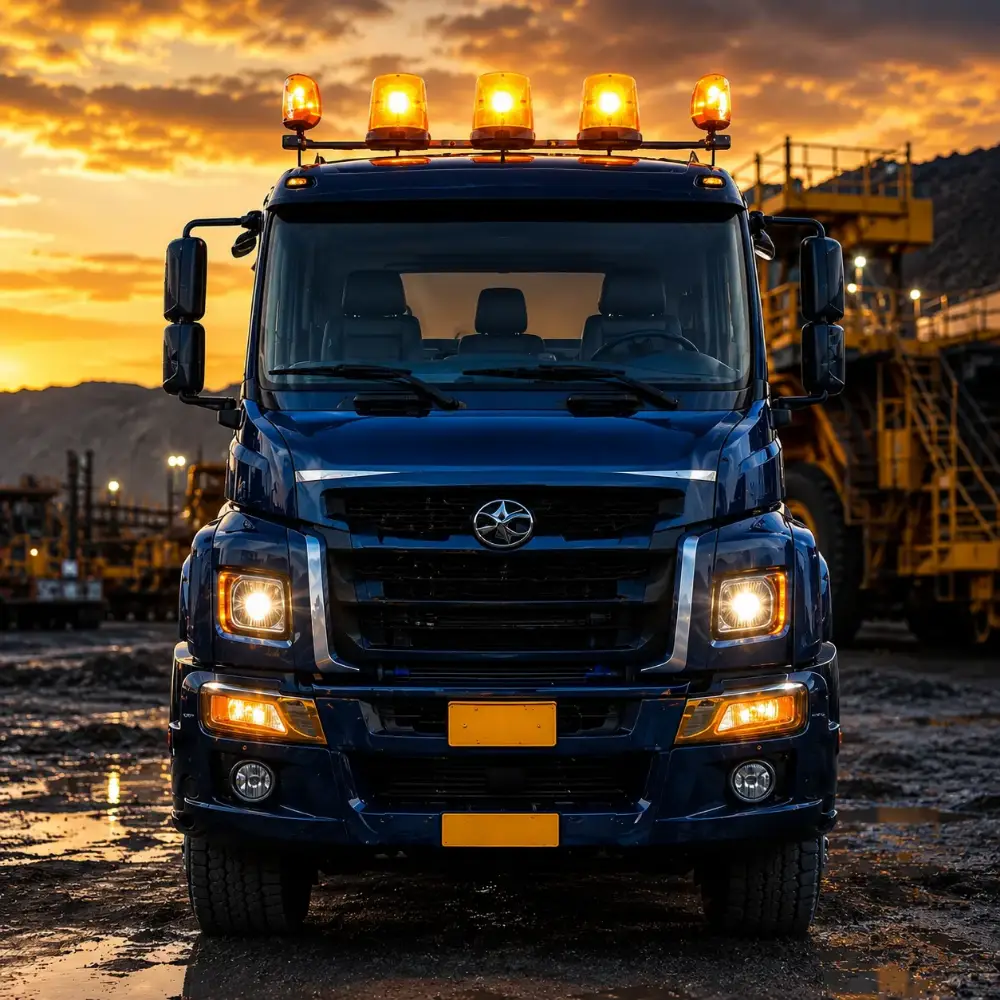
LED Beacon Light

Reflective Safety Tape
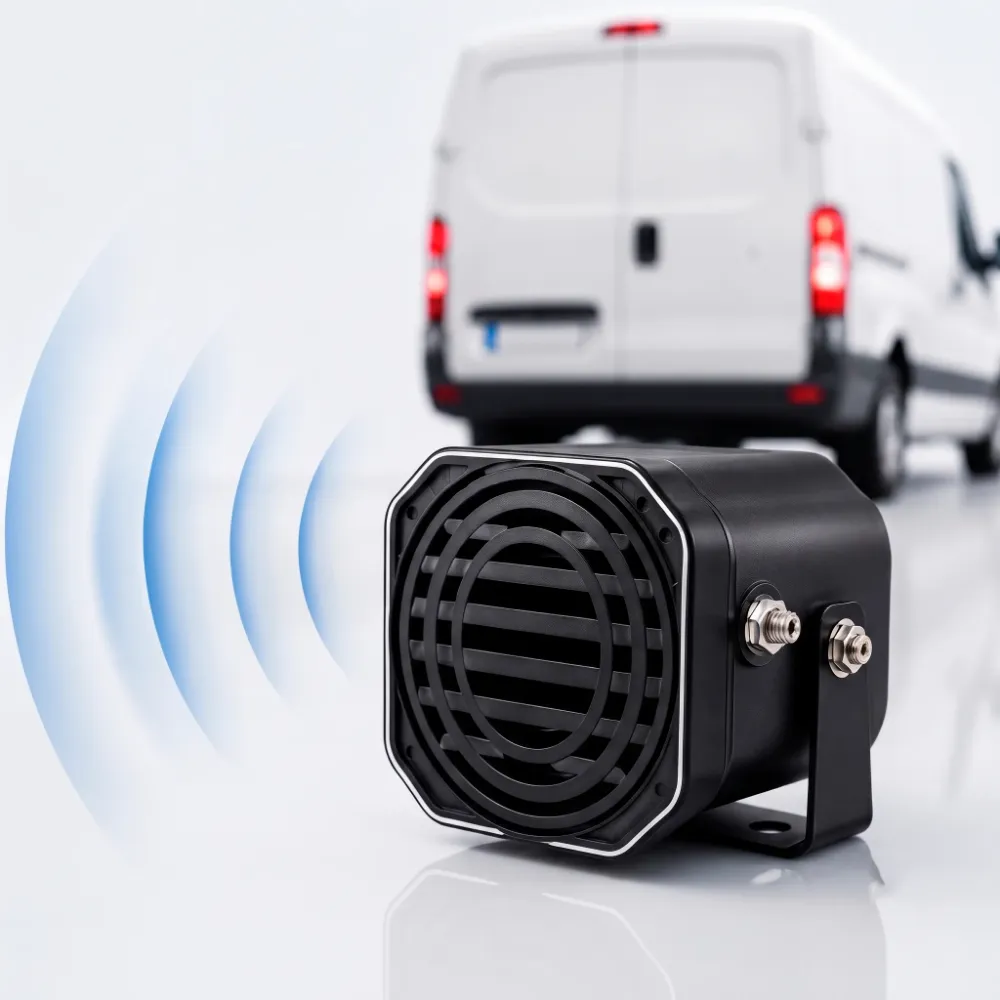
Backup Alarm
Need to bring your fleet into compliance urgently?
Our technical consultants serve mining, agribusiness and heavy transport companies across Brazil.